
2026-04-20T19:41:52-06:000000005230202604
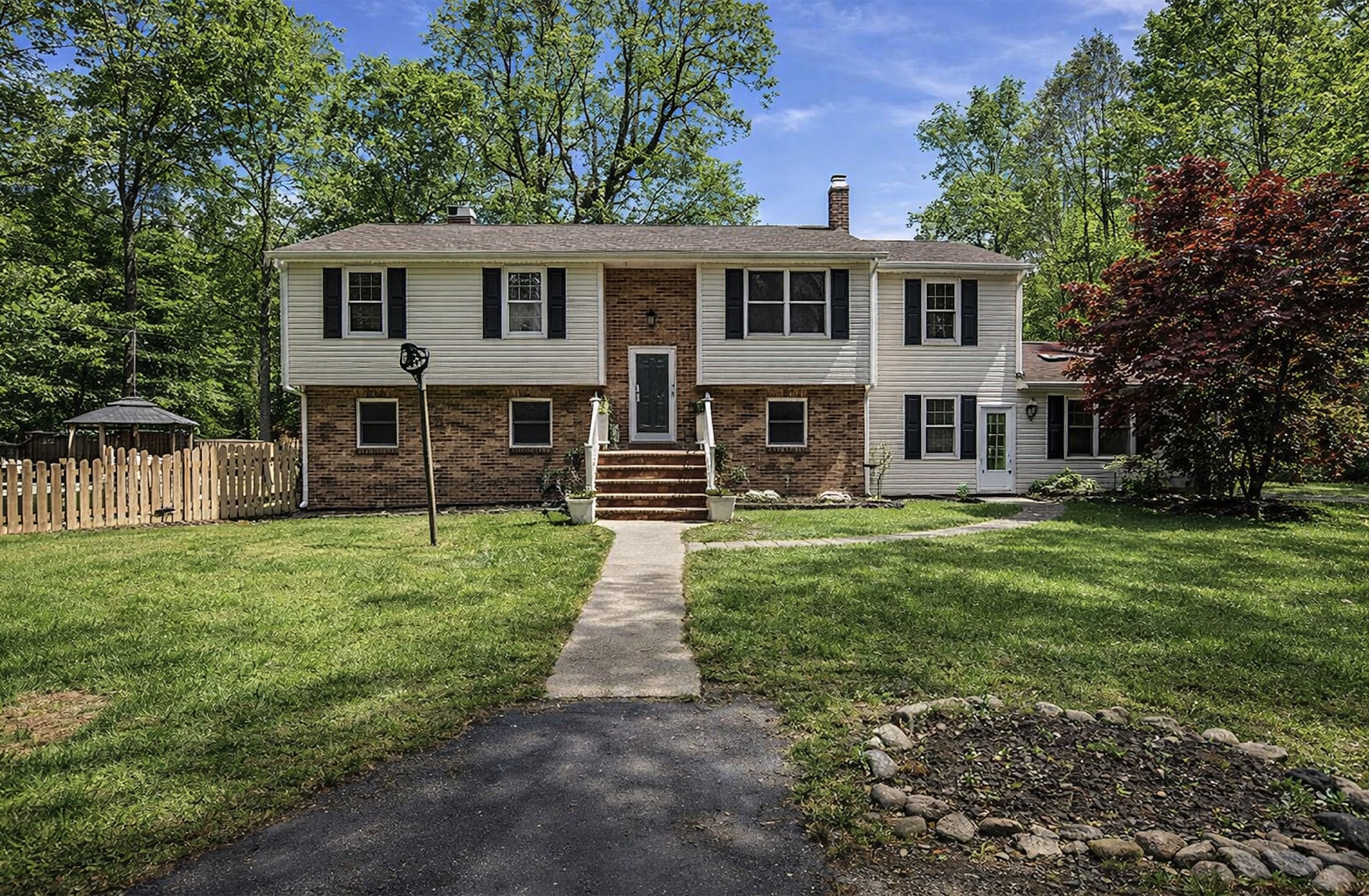
The headline number is useful, but the real decision is whether the house will actually net more after months of cuts, repair credits, commissions, and carrying costs.
Redfin’s February 2026 data dropped, and the headline is a record. 34.2% of U.S. home sellers cut their list price in February, the highest February number Redfin has ever logged. The average cut was $40,915, or 7.3% off list.
Richmond came in at 27%. About one in four listings. That’s below the national rate and well below the Texas and Florida metros getting hammered right now: San Antonio hit 57.9%, Austin 55.2%, Tampa 45.9%. On paper, Richmond looks fine.
That 27% is missing a lot. It only counts sellers who stayed on the market.
Sellers who quietly pulled their listing and gave up aren’t in the 27%. Sellers sitting on a vacant house, watching property taxes and insurance drain their account every month aren’t in the number. Sellers whose agent stopped returning calls after the third price drop aren’t there either.
If your Richmond house has been sitting on the market, this post is for you. I’m going to walk through what we hear on the phone at Casa Offers, what the math looks like once you subtract every hidden cost of a traditional sale, and when selling to us is not the right move for your situation.
The call that keeps coming in
When a Richmond seller finally picks up the phone in spring 2026, the conversation follows a pattern. They’re almost never on their first price cut. They’re usually on their second or third. They call quietly. Many sellers are afraid to tell their own agent they’re even looking at other options.
There’s real shame in this market. People don’t want to admit their house hasn’t sold. They don’t want the neighbors to know. Sometimes they don’t want their family to know. By the time they dial our number, the cuts haven’t worked, the agent has gone quiet, and they’re stuck.
The overpromise loop nobody’s talking about
Here’s the part of the Richmond story the national data misses. The real estate industry is starving for deals right now. Too many agents chasing too few transactions. That’s created a feedback loop that’s actively hurting sellers.
To win a listing, agents are quoting prices that don’t exist in today’s market. Prices nobody is paying. The seller gets excited, signs the listing agreement, and waits. Nothing happens. First price cut, nothing happens. Second cut, still nothing. By the third cut the seller has lost months, the agent has stopped responding, and the house carries the stigma of a “stale listing” that makes buyers assume something is wrong with it.
The problem creates itself. Agents need deals, so they overpromise list prices. Too much inventory means even honestly-priced houses struggle to sell. Overpriced ones sit until they’re forced down to the real market number, if they ever get there at all.
Then there’s the new-construction issue on top of it.
The new-build squeeze
Richmond, like most of the country, has a wave of 2025 and 2026 builder inventory hitting the market. These builders aren’t just competing on price. They’re offering financing terms no traditional bank will match for a resale purchase. Rate buydowns, closing cost packages, points covered, everything subsidized into the deal.
If you’re selling an older home that needs even modest work, you’re not just competing with other resales. You’re competing with a brand-new house down the street where the buyer can get a 2-point-below-market rate that your buyer simply cannot access. The buyer knows it.
That’s why a lot of delisted Richmond homes just sit vacant instead of coming back to market. Owners tell themselves they’ll put in some improvements and relist, but the math rarely works. Even after you renovate, you’d have to relist at roughly the same price you’d already dropped to, because the market moved, not your house. The improvements don’t pay off. So the house sits empty while the carrying costs compound.
Why our cash offer will be below your latest cut price, and what that actually tells you
Here’s the part of the conversation that surprises people most when they call us.
When we quote a cash offer on a Richmond listing that’s been through two or three cuts, our number is almost always below your current reduced list price. Meaningfully below.
This isn’t a lowball tactic. It’s market math.
Because the original list price was overshot, every cut is just chasing the real number down from the wrong starting point. Even after the cuts, your current list is probably still above what a real buyer is actually paying. We see it constantly. Sellers listing at $200K eventually sell to a traditional buyer for closer to $120K or $130K once every concession comes out.
Here’s what that should tell a seller. Sometimes a seller calls Casa Offers before listing, gets our cash offer, turns us down, lists traditional, drops through several cuts, and ends up at a final sale number below the offer we made them in the first place. We don’t get frustrated when that happens. We feel relieved, because it means the MLS just validated our estimate. If the open market couldn’t move the house at our original number, we shouldn’t be buying it at that number either.
That’s the honest framing. Our offer isn’t what your agent told you the house was worth. Our offer is what the property is worth to somebody willing to close in seven days and take 100% of the risk.
If the math is starting to look worse than the list price, compare your real net number before you wait through another price cut.
Compare My Cash OfferThe hidden bleeders eating a traditional sale
This is where most Richmond sellers underestimate their real net walk-away on a traditional sale. The “sale price” you see on the closing statement isn’t the money you get to keep. A lot gets peeled off before you see a check.
Inspection and repair credits are the first one. In a buyer’s market like spring 2026, buyers can demand them, and they do. The bank’s inspector finds something: termites, a foundation crack, a roof approaching end of life, siding, an older HVAC. The buyer comes back with a credit request. The seller eats it or loses the sale. In our deal flow we typically see $20,000 to $30,000 in inspection and repair credits on these deals. Sometimes more.
Closing cost help is bigger than it used to be. Banks have tightened up on what they’ll finance, so buyers who used to bring closing costs to the table are now asking sellers to cover them. A seller who’s already distressed gets hit with “cover $5,000 to $8,000 of the buyer’s closing costs or we walk.” In a buyer’s market, they can demand it.
Agent commissions usually run 5% to 6% of the sale price, split between both sides, even after the 2024 NAR rules shift. On a $195K sale that’s roughly $10,000 to $12,000 gone before any other deduction.
Your own closing costs cover title work, deed prep, pro-rated property taxes, transfer taxes, and any county-specific fees. Usually another $2,000 to $3,000.
Then there’s the bleeder everybody forgets: the months you already paid. While the house sat through price drop one, two, and three, you were still paying the mortgage, property taxes, homeowner’s insurance, HOA, and utilities. For a Richmond home that originally listed around $250K, that’s roughly $15,000 over four months. That money is gone. It doesn’t come back at closing.
The side-by-side math
Let me put this in numbers. A realistic Richmond example: house originally listed at $250,000, dropped twice to $195,000, sat for four months, and a traditional buyer finally shows up.
| Traditional sale | Casa Offers cash | |
|---|---|---|
| Accepted offer price | $195,000 | $170,000 |
| Agent commission (~5.5%) | -$10,725 | $0 |
| Inspection / repair credits | -$25,000 (midpoint) | $0 |
| Closing cost help to buyer | -$5,000 | $0 |
| Seller’s own closing costs | -$3,000 | $0 |
| 4 months carrying cost already paid | -$15,000 (already out of pocket) | $0 |
| Net walk-away to seller | ~$136,275 | $170,000 |
| Time to close | 30-45 days from accepted offer (plus the 4+ months it already sat) | ~7 days |
The seller who held out for the $195,000 “higher” list price nets about $33,725 less than the seller who took a $170,000 cash offer. They also waited five-plus months to do it.
The reason it works this way is simple. Whatever price we agree on is what you walk out with. No agent commission. No repair credits. No closing cost help. No seller concessions. No more months of carrying cost. You price, you sign, we close, you get paid.
When you should not call Casa Offers
If your house is already really nice, don’t call us. If you’ve redone the kitchen, put in new flooring, updated the bathrooms, and handled the deferred maintenance, our offer won’t make sense for you. List it traditionally and extract the value of those improvements on your own. A retail buyer will pay more for your house than we can.
The way Casa Offers works: we buy houses that need at least some work, put our construction team on them, add real value, and resell for a little more than we paid. Base hits, not home runs. We’re not trying to retire off any single deal. We need a margin on capital improvements to make the numbers function.
If your house is turnkey, our offer won’t compete with a retail buyer on the MLS. Not because we don’t want your house. Because there’s no improvement runway for us to justify a number that matches what a retail buyer can pay.
When we are the right call
You should call us if:
- Your house needs work that modern buyers are walking away from: outdated kitchen, old roof, HVAC past its life, siding, foundation, plumbing, or electrical
- You’ve been through one or more price cuts and the house isn’t moving
- You’ve delisted and are staring at an empty house that’s costing you every month
- Your situation needs speed or certainty: probate, divorce, relocation, foreclosure risk, an inherited property you can’t maintain, a tired rental, behind on mortgage
- You’ve done the math on a traditional sale with every deduction above and the number doesn’t work anymore
What to do if your Richmond house is sitting right now
If any of this sounds like your situation, you have three honest options.
If the house is already nice: stay listed. Have a direct conversation with your agent about whether the price is realistic for spring 2026 or still anchored to the high number that won the listing. Ask the agent to show you what properties like yours actually sold for in the last 60 days, not what’s currently asking.
If the house needs work and you’ve already cut: call us, or anyone like us. Get a cash offer. Run the math above honestly. Include every hidden deduction, every month of carrying cost, the timeline, and the certainty. Compare it to where you’d realistically net on a traditional sale. If the cash offer is equal or better once every deduction is counted, you have your answer.
Get multiple cash offers. The best move. Don’t call just Casa Offers. Call three cash buyers, put our offer next to theirs on the same property, and pick the best number. We tell sellers this directly: in side-by-side comparisons against other Virginia cash-buyer companies on the same property, Casa Offers typically delivers the highest number. That’s a claim we want tested, not taken on faith.
Frequently asked questions
Why is your cash offer lower than my last reduced list price?
Because the original list price was probably set too high. In a buyer’s market, real offers on listed homes routinely come in 60% to 70% of the original asking price after all the concessions and repair credits come out. Our cash number competes with what a real buyer is actually willing to pay for the property, not with the anchor price your agent set to win the listing. If your house has been through multiple cuts and still isn’t selling, that’s the market telling you where the real number lives.
What seller concessions are Richmond buyers demanding in spring 2026?
Three big ones. Inspection and repair credits, typically $20,000 to $30,000 for older homes in this market. Closing cost help, because buyers are stretched on their loan amounts and banks have tightened up, so they ask sellers to cover $5,000 to $8,000 of their closing costs. And rate-related asks, including temporary rate buydowns that can cost another $3,000 to $10,000. All of it comes out of the seller’s net proceeds.
What happens to Richmond houses that get pulled off the market entirely?
Most of them sit vacant. The owner gives up on the plan to move, keeps paying mortgage, taxes, insurance, and utilities, and the house quietly depreciates in the background. Sometimes it gets relisted later with a new agent, but the stigma of a previously-failed listing makes it harder the second time. A smaller number of owners convert the house to a rental they didn’t really want to manage. Very few put in the renovations needed to truly reset the listing, because the improvements rarely pay off once you factor in cost and market conditions.
Should I sell to Casa Offers if my house is already updated?
Probably not. Our business model requires at least some level of capital improvement opportunity, meaning a house that needs real work, for the deal math to function. If your kitchen, flooring, bathrooms, and major systems have already been handled, list it on the traditional market. A retail buyer will almost always pay more for a turnkey home than we can.
How fast can Casa Offers actually close?
Seven days is typical. Sometimes faster, sometimes a little slower depending on title work and whether there are any liens, probate questions, or other records that need to be cleared. Compared to a traditional sale, which averages 30-45 days from accepted offer to closing plus however many months the home sat on the MLS before that offer came in, the speed is the single biggest difference for most sellers calling us.
Do I have to take your offer?
No. There’s no obligation. We give you the number, explain how we got there, and tell you honestly if we think your house is better suited for a traditional sale. If the math doesn’t work for you, you don’t sign. We don’t follow up aggressively and we don’t push. The offer is just information. You can take it, leave it, or use it as a benchmark against what other buyers bring you.